Torn earlobes are a common frustration for anyone who wears earrings regularly. From accidental tugs to heavy jewelry stretching, various causes can lead to painful tears or splits. Left untreated, these injuries can not only alter your appearance but also complicate everyday activities like wearing earrings. Thankfully, most torn earlobes can be prevented with a few simple habits and precautions. Let’s explore the leading causes and how to keep your ears safe.
Understanding Torn Earlobes
Torn earlobes might seem like a minor issue, but they can be painful, inconvenient, and even affect your confidence. Whether from an accidental tug or the constant pull of heavy earrings, understanding how earlobes tear and what happens during the damage is the first step in prevention and care.
Definition and Anatomy of the Earlobe
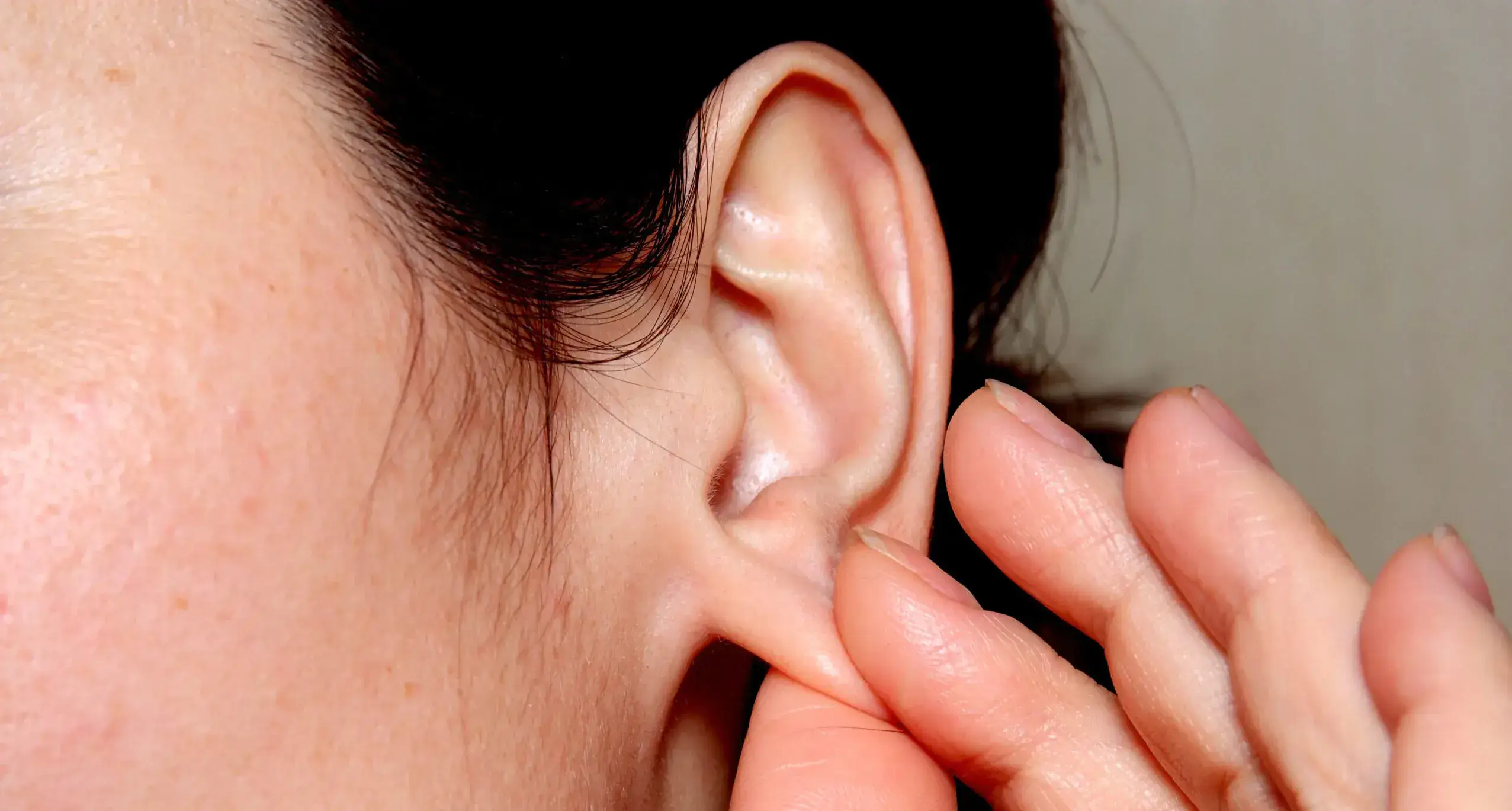
The earlobe is the soft, fleshy lower part of the ear, made entirely of skin and fatty tissue—no cartilage. Unlike the tougher parts of the ear, the earlobe’s pliable structure makes it prone to stretching and tearing. Its softness and lack of bone or cartilage allow for flexibility, which is why it’s a common site for piercings. However, this same flexibility becomes a disadvantage when exposed to tension or trauma.
Factors like how the ear is pierced, the placement of the hole, and even the size of the piercing can weaken this area over time. Think of the earlobe like soft fabric—when tugged or worn down repeatedly, it’s more likely to rip. Add external forces such as weighty earrings or accidental snags, and you’ve got a recipe for tears.
Common daily habits—like wearing earrings to bed or handling your jewelry carelessly—can also weaken this delicate structure. While the earlobe’s simplicity allows it to heal quickly from minor injuries, more severe damage, like a tear, often requires professional intervention.
Types of Earlobe Tears
Not all earlobe tears are the same, and understanding the differences can help you recognize the severity of an injury and when to seek help. There are two main types of earlobe tears:
- Complete Tears: This type occurs when the earlobe splits entirely into two separate pieces, often starting from a stretched piercing hole. These tears are typically caused by significant trauma, like a sharp pull or an earring getting caught and forcefully removed. Complete tears usually require medical attention and, in many cases, surgical repair.
- Partial Tears: Partial tears happen when the earlobe is damaged but hasn’t fully split. These are often the result of gradual wear and tear from heavy earrings or stretched piercings. Partial tears might not seem severe initially, but they can worsen over time if ignored. Pushing through with your favorite earrings might aggravate the injury, leading to a complete tear.
Recognizing which type of tear you’re dealing with can shape your next steps. Complete tears mean no more earrings until professional repair, while partial tears might still heal with extra care and reduced stress on the earlobe.
Both types highlight how easily this sensitive area can be damaged. Repairing torn earlobes is possible, but prevention—avoiding the root causes—should always be the goal.
Common Causes of Torn Earlobes
Torn earlobes are uncomfortable, often painful, and entirely avoidable in many cases. Understanding the common causes of earlobe tears can help you make informed decisions to protect your ears and keep this delicate area intact.
Accidental Injuries
Unexpected accidents are one of the most frequent causes of earlobe tears. Earrings can get tangled in clothing, hair, or even caught on objects like a sweater or a seatbelt. A quick yank—whether from brushing hair carelessly or a child pulling on your jewelry—can lead to a tear or even a complete split. Pets tugging on shiny earrings can also result in damage. These kinds of situations often happen when you least expect them, which is why it’s essential to exercise caution while wearing earrings, particularly around children or animals.
Heavy or Dangling Earrings
If you’ve ever worn a large, statement earring, you probably felt its weight pulling at your ears. Heavy or oversized earrings create constant tension on your earlobe. Over time, this weakens the tissue and causes elongation or small tears around the piercing hole. This strain makes the earlobe more likely to tear completely with an accidental pull or snag. Your favorite fashion pieces could be silently doing damage if worn daily. To avoid this, consider switching to lightweight jewelry for regular use and reserving heavier earrings for special occasions.
Improper Piercing Practices
The way your earlobe is pierced can affect its durability. Piercings done at the wrong angle, too close to the edge of the lobe, or using unsafe tools can lead to long-term problems. Unprofessional or non-sterile piercing methods can also cause infections, which further compromise your skin’s integrity. Always choose a reputable, trained professional who uses sterile equipment and proper techniques. It’s a small investment that can save you from bigger issues later on.
Metal Allergies and Dermatitis
Your choice of earrings can make a big difference. If you’re allergic to certain metals—like nickel—you might develop dermatitis, an irritating skin condition. Allergic reactions weaken the skin, making it itchy, swollen, and prone to cracking. Over time, this irritation can lead to tears, especially if you scratch or rub your earlobe regularly. Opting for hypoallergenic or high-quality materials, such as gold or surgical steel, can help protect your skin and prevent unnecessary irritation.
Aging and Volume Loss
As you age, your skin naturally becomes less elastic. The earlobe, composed of soft tissue, starts to lose volume, making it thinner and more fragile. This process is similar to how aging affects other areas of the body, like the skin around your eyes. Without the same support, older earlobes are more vulnerable to tears, especially if they’re subjected to heavy or dangling earrings. For those noticing thinning or sagging in their earlobes, lightweight studs or clip-on earrings can be a safer choice.
Understanding these common causes is the first step to avoiding earlobe injuries. Whether caused by accidents, poor habits, or natural aging, small adjustments can go a long way in keeping your ears healthy.
Preventing Torn Earlobes
Tearing your earlobes can often be avoided with small changes in how you care for them and your jewelry choices. Whether you’re a fan of statement pieces or everyday studs, these tips will help you keep your earlobes safe and intact.
Choosing the Right Earrings
The type of earrings you wear makes a huge difference. Heavy jewelry or large hoops might look stunning but can cause serious strain on your earlobes. Over time, this tension weakens the tissue, making it more prone to tearing. Instead:
- Opt for lightweight earrings for daily use – materials like plastic, resin, or hollow metals are great options.
- Reserve heavy or dangling earrings for short-term wear, not all-day outings.
- Consider supportive accessories like lobe patches that distribute weight and reduce strain.
Remember, earrings should accentuate your style, not put your earlobes at risk.
Careful Handling of Earrings
Earrings can easily snag on clothing, hair, or even fingers if you’re not careful when wearing or removing them. A small accidental pull is all it takes for a partial tear to worsen. To minimize this risk:
- Don’t sleep with earrings on, even if they’re small studs.
- Remove your earrings before changing clothes, especially sweaters or tight necklines.
- Take extra care when brushing or styling your hair to avoid catching your jewelry.
Think of it like handling fragile glass—slow and steady saves you from unnecessary accidents.
Professional Piercing Services
Where and how you get your ears pierced matters more than you think. An improperly pierced earlobe—too close to the edge or at the wrong angle—will already be weaker. Unclean instruments or poor technique can also lead to infections that increase tearing risk. Always:
- Choose a reputable professional who follows strict hygiene protocols.
- Avoid piercing guns, as they can cause trauma. A needle pierce is generally safer and more precise.
- Ensure proper placement, leaving enough tissue around the hole to support earrings.
Getting it done right the first time prevents long-term issues.
Regular Skin Care for Earlobes
Your earlobes need some TLC too. Dry, irritated, or inflamed skin is more likely to tear under pressure. Routine care can make all the difference:
- Apply a small amount of moisturizer or oil (like jojoba or coconut oil) to keep the skin supple.
- If you have a minor irritation or an allergic reaction, switch to hypoallergenic earrings immediately.
- Watch out for signs of infection like redness or swelling, and treat them promptly with antiseptic solutions.
Healthy skin is stronger and less likely to give way under pressure, so don’t skip this important step.
By staying mindful of these habits, you can protect your earlobes and enjoy your favorite earrings without worry.
What to Do If You Experience a Torn Earlobe
Tearing an earlobe can be painful and alarming, but with the right steps, you can manage the situation effectively. Acting quickly to address the injury minimizes complications and may prevent the need for more extensive repairs.
First Aid for Torn Earlobes
When dealing with a torn earlobe, your first priority is to protect the area. Here are immediate steps you can take:
- Stop the Bleeding: Use a clean gauze or cloth to apply gentle pressure to the tear until bleeding subsides.
- Clean the Injury: Once the bleeding stops, carefully clean the area with mild soap and water. Avoid using harsh chemicals like hydrogen peroxide, as they can irritate the tissue.
- Apply an Antibiotic Ointment: To help prevent infection, apply a thin layer of antibiotic ointment, such as Neosporin, to the tear.
- Protect the Area: Cover the injury with a sterile bandage to keep it clean and prevent further exposure to dirt or debris.
- Avoid Earrings: Do not insert earrings into the torn or nearby area, as this can exacerbate the damage.
Handling the wound gently is critical. The earlobe is delicate, and overhandling or using non-sterile materials could worsen the situation.
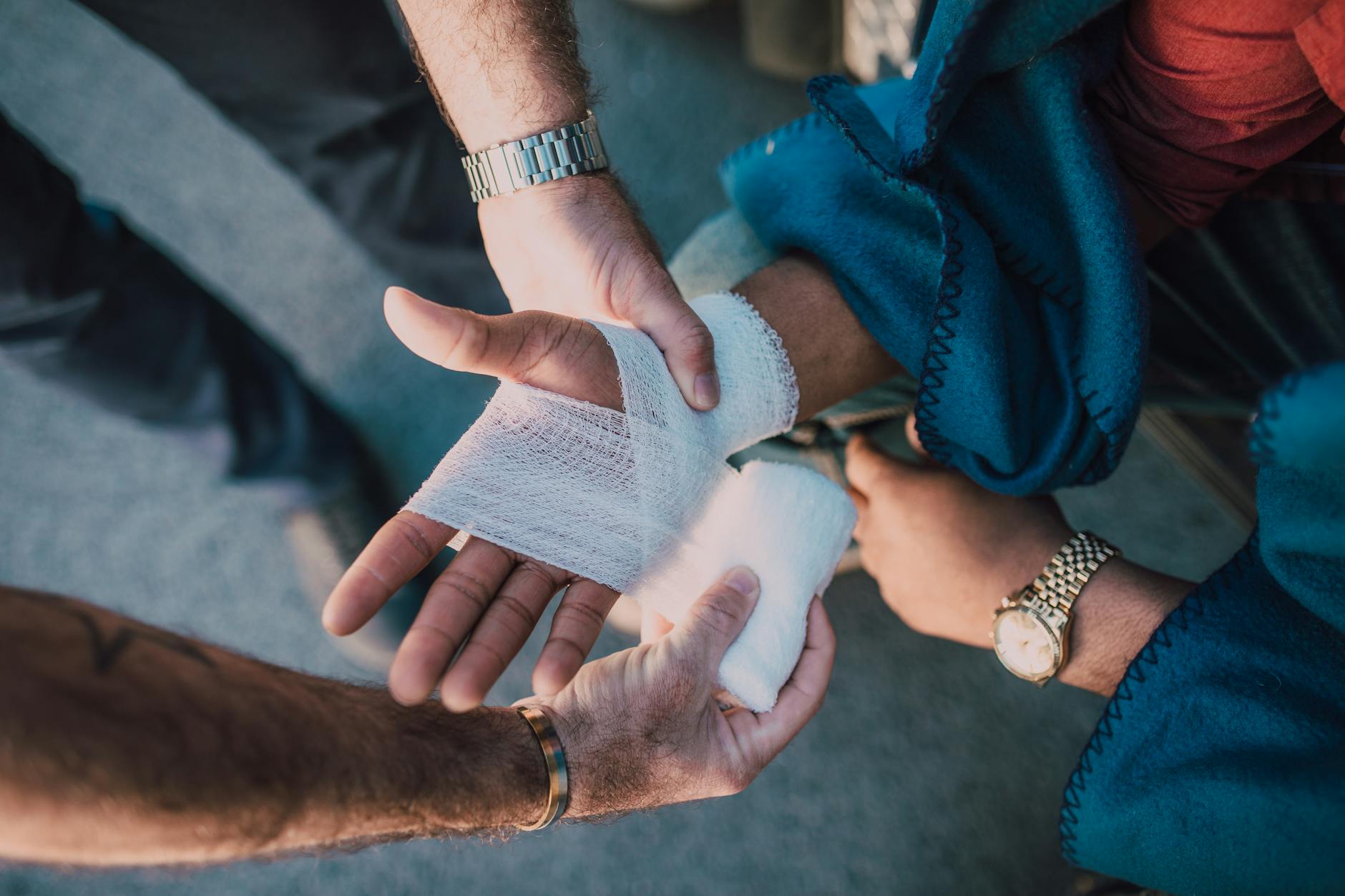 Photo by RDNE Stock project
When to Seek Medical Attention
In some cases, professional care is necessary to properly treat a torn earlobe. Knowing when to contact a healthcare provider ensures the injury heals correctly. Look for these red flags:
- Heavy Bleeding: The bleeding doesn’t stop after 10-15 minutes of applying firm pressure.
- Severe Pain: Intense, lingering pain could signal deeper issues that need addressing.
- Signs of Infection: Redness, swelling, warmth, yellow discharge, or an unpleasant odor are key indicators of infection.
- Complete Tears: If the earlobe is fully split into two pieces, medical intervention, often surgical, is required.
- Persistent Swelling or Deformity: A deformed appearance or swelling that doesn’t improve suggests professional repair may be needed.
Ignoring these warning signs could lead to long-term damage or complications like keloid scars. Err on the side of caution, and consult a doctor if you’re unsure.
Conclusion
When it comes to protecting your earlobes, awareness and care make all the difference. Torn earlobes are often caused by preventable habits or accidents, but understanding their causes can lead to smarter choices and fewer injuries. From heavier earrings to improper piercings, the factors that weaken your earlobes often stem from avoidable behaviors. By taking proactive steps—like handling your jewelry with care, choosing quality piercing services, and paying attention to skin health—you’ll significantly reduce your risk of damage. Your earlobes deserve the same attention as any other part of your body—treat them well!