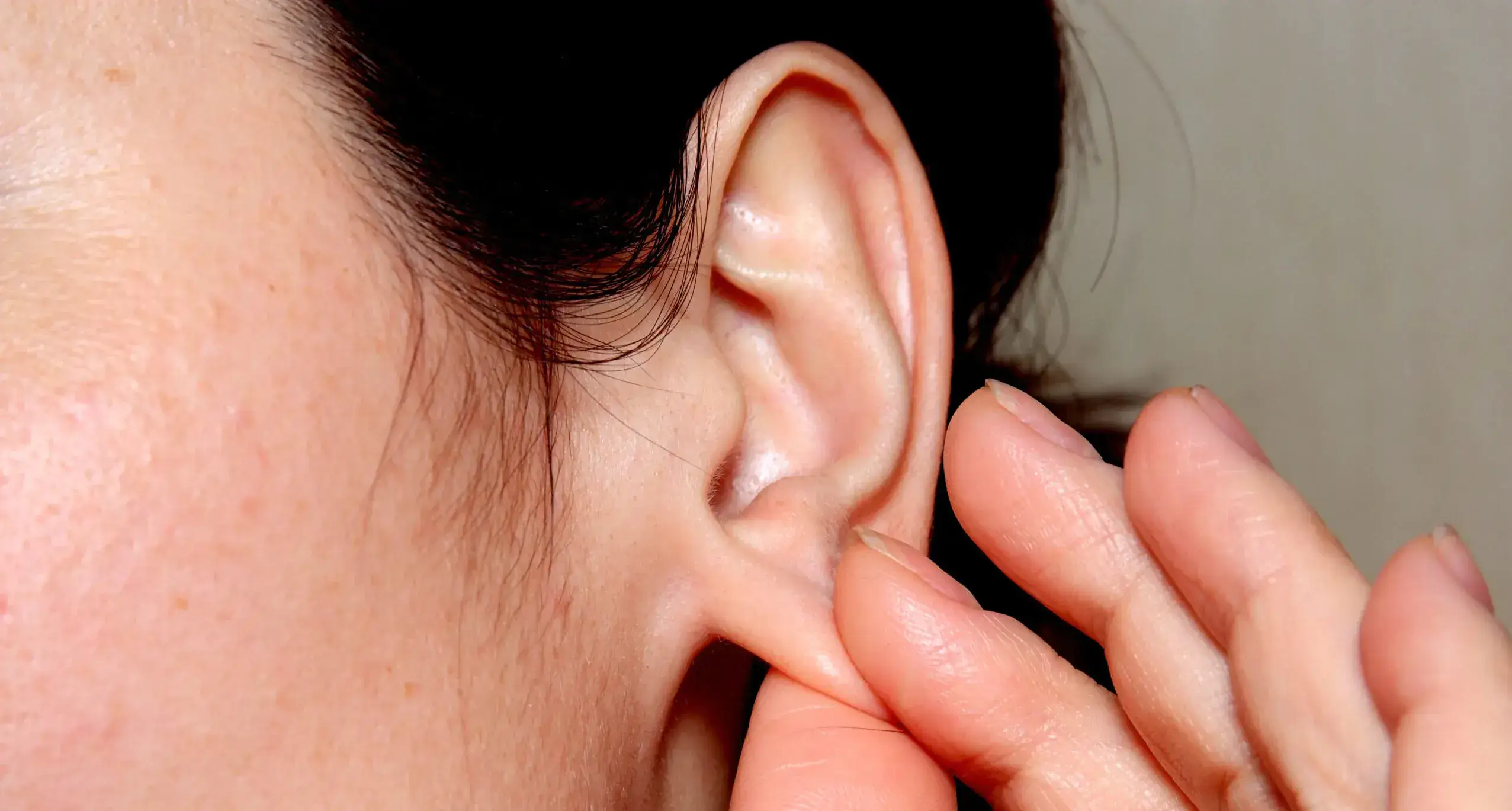

Earrings are a staple in self-expression and style, but they can come with hidden risks. While they enhance your look, prolonged use or certain materials might lead to issues like earring infection, allergic reactions, or even physical damage to your earlobes. From redness and itching to torn earring holes, the signs aren’t always obvious—but ignoring them could lead to lasting damage. In this post, we’ll help you spot the warning signs and take steps to keep your ears healthy while rocking your favorite jewelry.
Recognizing Signs of Earring Infection
Earrings can transform your style, but they also come with risks if not handled properly. Piercings, especially fresh ones, essentially create small open wounds. When earring infection occur, they can turn an otherwise simple accessory into a painful problem. Here are key points to watch out for and how to keep your ears healthy.
Early Symptoms of Earring Infection
Noticing the signs early can save you a lot of trouble. Earring Infection may start subtly but can quickly worsen if ignored. Keep an eye out for the following symptoms:
- Redness or Puffiness: Mild redness around the piercing site is normal initially, but if it spreads or intensifies, it could signal an infection.
- Swelling and Warmth: Your earlobe or pierced area might feel noticeably warm to the touch and unusually puffy.
- Tenderness or Pain: An infected piercing will feel sore, and the pain may increase with touch.
- Crusting or Discharge: Clear discharge might appear as the piercing heals. However, yellowish, green, or white pus indicates a more concerning issue.
When these signs pop up, don’t wait. Taking action early reduces the risk of severe earring infection or complications, especially in cartilage piercings, where infections can be harder to treat.
Common Causes of Earring Infection
It’s not just bad luck—most earring infection happen because of preventable factors. Here are the top reasons people end up with infected piercings:
- Non-Sterile Equipment: If your piercing wasn’t done with sterile tools, bacteria or germs could have been introduced directly into the wound.
- Poor Aftercare: Skipping the recommended cleaning routine or pulling out earrings too soon before healing can disrupt recovery, opening the door for bacteria.
- Touching with Dirty Hands: Every time you touch your earrings or the piercing site without washing your hands, you risk transferring bacteria.
- Improper Jewelry Materials: Allergic reactions to certain metals, like nickel, can irritate the area, increasing the likelihood of infection.
Knowing how earring infection usually occur helps you avoid the common pitfalls that lead to trouble.
How to Prevent Earring-Related Infections
Stopping infections before they start is easier than treating them later. By maintaining good habits and caring for your piercings properly, you can significantly reduce the risk of complications. Here’s how:
- Clean Piercings Twice Daily: Use a saline solution or a recommended sterilizing agent to gently clean around the piercing. Avoid alcohol or hydrogen peroxide—they’re too harsh and can slow healing.
- Wash Your Hands First: Touching your earrings or piercing site should only happen with clean hands to prevent transferring germs.
- Stick to Sterile Jewelry: Choose hypoallergenic options like titanium, surgical steel, or gold to prevent irritation.
- Avoid Twisting or Adjusting: Resist the urge to fiddle with your earrings unnecessarily, as this can introduce bacteria or irritate the area.
Healthy habits go a long way. Following these steps ensures your ears stay pain-free and infection-free while you rock your favorite looks.
Understanding Allergic Reactions to Earrings
Earrings can add a touch of personality and elegance to your look, but for some people, they can also bring uncomfortable or even painful allergic reactions. These reactions often stem from the metals in the jewelry, leading to skin irritation. Here’s what you need to know about identifying, understanding, and addressing metal allergies.
Common Symptoms of Metal Allergies
When your skin develops an allergy to certain metals, it responds with signs that are hard to ignore. These symptoms can be mild at first but may worsen with repeated exposure. Some of the common symptoms include:
- Localized Itching: The area around the piercing might feel itchy, especially after wearing earrings for an extended time.
- Redness and Swelling: Skin irritation often causes redness and puffiness, making your earlobes look inflamed.
- Rashes: You may notice a rash around the site, sometimes resembling dry patches or tiny blisters.
- Burning or Pain: A burning sensation can indicate that the reaction is progressing.
- Cracking or Scaling Skin: With chronic exposure, the affected area might become dry and crack, worsening the discomfort.
These symptoms typically fall into a category called contact dermatitis, which arises when your immune system mistakenly identifies a harmless substance—like nickel or cobalt—as harmful.
How Metal Allergies Develop
Have you ever wondered why a metal you’ve worn for years suddenly becomes an issue? Metal allergies don’t appear overnight. Think of it like a bucket that fills slowly—over time, repeated exposure sensitizes your immune system, causing a hypersensitivity reaction when you’ve “filled the bucket.”
Nickel is at the top of the list of culprits. It’s used in many earrings, especially lower-cost options, because it’s inexpensive and durable. Yet studies show that approximately 17% of women and 3% of men in the United States have a nickel allergy. Other allergens include chromium and cobalt, often found in inexpensive jewelry or even gold alloys.
The process begins when metal ions, released from the jewelry, bond with skin proteins. This triggers a response from T-cells in your immune system, resulting in the symptoms you see and feel. The more prolonged or frequent your exposure, the higher your chance of developing an allergy.

Photo by Farhan Abas
Top Solutions for Allergic Reactions
If you suspect your earrings are causing irritation, it’s crucial to act quickly to prevent further discomfort or long-term damage. Here are some simple and practical solutions:
- Opt for Hypoallergenic Jewelry:
- Materials like surgical-grade stainless steel, titanium, niobium, or 14-18K gold are far less likely to trigger reactions.
- Avoid plated or coated jewelry, as the protective layer can wear off, exposing the allergenic base metal.
- Patch Testing:
- If you’re unsure which metal is causing the problem, consult a dermatologist. A patch test can help identify specific triggers. These tests involve applying small amounts of allergens to your skin to observe reactions. Knowing your allergens gives you clarity on what to avoid.
- Anti-Inflammatory Treatments:
- Over-the-counter hydrocortisone cream can help soothe itching and redness.
- In more severe cases, oral antihistamines or prescription-strength topical treatments may be necessary.
- Temporary Break from Earrings:
- If your symptoms are severe, it’s essential to allow your earlobes some time to heal. Avoiding earrings for a while can reduce irritation and inflammation.
- Cleaning Practices:
- Make sure all earrings are sterilized before wearing them. Cleaning the posts and backings can reduce your exposure to irritants like bacteria or harsh residues from improper cleaning.
Choosing earring materials carefully and paying attention to how your skin reacts can make all the difference in avoiding discomfort. Stay proactive and consider swapping any potentially harmful jewelry pieces for hypoallergenic options if adverse effects occur.
Physical Damage and Trauma to the Earlobe
Earrings add personality to your style, but when abused or mishandled, they can harm your earlobes. From small stretching issues to full-on tears, the damage can start subtly and progress if not addressed. Knowing what to look for and how to avoid harm can protect your ears in the long run.
Signs of Earlobe Stretching or Tearing
The first sign of trouble often appears in the way your earring holes look. Healthy piercing holes are small and circular, while damage transforms them over time. Here’s what to watch for:
- Thinning Earlobes: If your earlobes look fragile or thinner than usual, it could be a sign that the skin is overexposed to stress.
- Slit-Like Holes: Stretched earring holes typically appear elongated, resembling a slit instead of a tidy circle.
- Tears or Splits: In severe cases, the earlobe might tear entirely, splitting into two separate pieces of skin. This commonly happens after earrings are pulled abruptly.
Think of stretched skin as elastic—it can regain shape to some extent but will eventually weaken when overstretched. Meanwhile, a complete rip is more like a popped balloon; once the damage is done, it often requires professional repair.

Photo by Laker
How Earrings Cause Physical Trauma Over Time
It’s easy to underestimate how daily habits contribute to long-term issues. Here are some common ways earrings lead to trauma:
- Wearing Heavy or Oversized Earrings: Gravity takes its toll, and over time heavy earrings can stretch the delicate skin of your earlobes.
- Sleeping in Earrings: Tossing and turning at night applies consistent pressure and friction, overstretching or irritating piercing holes.
- Snagging on Clothing or Hair: Earrings can catch on scarves, sweaters, or even your hair, leading to a painful yank that can stretch or rip the lobe.
- Rapid Gauge Stretching: For those who enjoy stretched ears, moving up gauges too quickly introduces excessive strain on the skin, increasing the chances of tearing.
Unfortunately, these factors often snowball. A small amount of stretching today might not seem like an issue—but ignoring it can lead to permanent damage over time.
Prevention of Earlobe and Piercing Damage
The good news? Physical earlobe trauma is preventable with a few small adjustments to how you wear and care for your earrings. Try incorporating these tips into your routine:
- Choose Lightweight Earrings: Opt for delicate, smaller jewelry that’s less likely to stretch skin. If you love statement earrings, save them for special occasions.
- Remove Earrings at Night: Prevent unnecessary friction and irritation by taking off earrings before bed.
- Mind Your Surroundings: Be cautious with scarves, masks, and clothing that might snag your earrings. Tying back long hair can also reduce risks.
- Stretch Slowly (If Gauging): If you’re stretching your ears, follow professional advice and move up sizes gradually to avoid blowouts or tears.
- Switch It Up: Alternate between earrings that dangle and studs to give your earlobe a break from constant downward pulling.
By being mindful of how you wear and handle your earrings, you can keep your earlobes healthy and prevent unwanted tearing, stretching, or ripping. A little care today saves a lot of effort down the road.
When to Seek Professional Help for Earring-Related Issues
When earrings cause more harm than glamour, knowing when to escalate from at-home remedies to professional assistance is key. Sometimes, earring infection and damage go beyond what DIY solutions can manage, so understanding the tipping point helps protect your health. Below, we’ll break down warning signs, available treatments, and how to find the right expert.
Signs That Require Medical Attention
Not all earring-related issues can be resolved with saltwater rinses or topical ointments. Some signs indicate that it’s time to stop experimenting and consult a professional:
- Non-Healing Earring Infection: If redness, swelling, or tenderness persists beyond one week or worsens despite regular cleaning, it may suggest an earring infection that requires antibiotics.
- Unusual Discoloration or Skin Changes: Black, bluish, or gray discoloration may indicate necrosis (tissue death), which demands immediate medical attention.
- Severe Swelling: Rapid swelling that makes it difficult—or even impossible—to remove the earring can escalate into a more significant problem if untreated.
- Pus or Foul Smell: Yellow, green, or odorous discharge often signals a deeper earring infection rather than a surface irritation.
- Embedded Earrings: Earrings that sink into the skin, leaving the clasp or post invisible, must be professionally removed to prevent further damage.
Ignoring these warning signs can lead to complications such as scarring or even systemic earring infection , especially in cartilage piercings. It’s better to address these issues promptly than to risk long-term harm.
Medical Options for Piercing Damage and Allergies
If you’re facing damage or allergic reactions, there are proven medical interventions to restore your ears’ health and appearance:
- Earlobe Repair Surgery:
- Torn or stretched earlobes resulting from trauma or heavy earrings can be reconstructed with minor surgical procedures. This involves stitching the skin back together and allowing it to heal seamlessly.
- Side-to-Side Closure Technique:
- For elongated or slit-like earring holes, doctors may use this method to repair the piercing site while minimizing visible scarring.
- Treatment for Earring Infection:
- Persistent earring infection might require oral or topical antibiotics prescribed by a doctor. These treatments can halt spreading bacteria and reduce inflammation.
- Allergy Management:
- For allergic reactions, professionals can identify your specific triggers through patch testing. After confirming the allergen (often nickel), they can recommend hypoallergenic jewelry materials like surgical steel, titanium, or platinum.
- Severe reactions may be treated with steroid creams or antihistamines to calm inflammation quickly.
Professional treatments not only resolve current issues but also prevent worsening conditions that could lead to permanent damage.
Choosing the Right Professional
The specialist you consult depends on your specific situation. Here’s a guide to help you make the right choice:
- Dermatologist:
- Go to a dermatologist for issues like allergic reactions, persistent earring infection , or skin abnormalities such as rashes and bumps around the piercing. Dermatologists are experts in skin health and can provide tailored treatments for sensitivities.
- Plastic Surgeon:
- If you need earlobe repair, reconstruction, or treatment for significant tearing, a plastic surgeon can restore both function and appearance. They specialize in procedures involving stitches and cosmetic care.
- Allergist:
- For suspected severe allergies, an allergist can conduct advanced tests to pinpoint triggers and create a long-term management plan to avoid future reactions.
Not sure where to start? Begin with a dermatologist for anything infection-related, as they can refer you to other specialists if needed. Be sure to choose board-certified practitioners with experience in earring or piercing-related complications to ensure the best outcome.
Seeking professional help for earring-related problems might feel like taking a big step, but your health and comfort should always come first. You deserve to wear your jewelry with confidence, not worry.
Conclusion
Your earrings should enhance your look, not compromise your health. Recognizing early signs of earring infection, allergies, or physical damage is key to preventing long-term issues. Whether it’s redness, irritation, or thinning earlobes, small changes in your routines—like choosing safer jewelry materials or practicing better care—can protect your ears for years to come.
Don’t ignore the warning signs. If something feels off, taking quick action can save you from lasting damage. Consult a professional when needed, and remember, healthy ears make wearing earrings even more enjoyable.
Your ears deserve as much attention as your latest jewelry trend. What steps will you take today to keep them safe?