
Earring Falling Out is a headache almost everyone deals with at some point, whether it’s your favorite studs or a pair you just bought. They seem secure in the morning, but by evening, one (or both) has gone missing. This post clears up the real reasons earrings slip out—think worn-out backs, rough handling, or not-so-great designs. You’ll get easy, practical tips so you can keep your earrings exactly where they belong—on your ears, not lost for good.
Why Earring Falling Out: Understanding the Common Causes
Earring Falling Out is a common frustration—if you’re constantly searching for missing earrings, you’re not alone. Earrings slip out for a bunch of reasons, usually tied to how they fit, wear and tear, and the way we move through daily life. Let’s break down where things tend to go wrong.
Improper Fit and Piercing Placement
Earring Falling Out can often be traced back to how your piercing is positioned and the size of your earrings. If the piercing hole sits too close to the edge or higher up on the lobe, the earring may tip forward or even slip right out. The standard spot for earlobe piercings is low and centered—this creates the most support and balance for everyday earrings.
But it’s not just about where your piercing is. The size of the post and the thickness of your lobe matter too:
- Post size: A post that’s too thin or short won’t anchor securely. Earrings can wiggle or even fall if the post isn’t long enough for your lobe.
- Lobe thickness: Everyone’s earlobes are a little different. Thick lobes need a longer post for a snug fit. Thin lobes can handle shorter posts but may need extra backing support.
If your earrings constantly feel loose, try measuring your lobe and matching it with the right earring size. Experimenting with different styles—like locking backs or screw posts—can also make a big difference.
Wear and Tear of Earring Components
Even high-quality earrings can fail over time. The parts that hold your earrings in place—backs, posts, and holes—wear down with daily use.
- Worn earring backs: The tension that holds a butterfly or friction back in place weakens with handling. After a while, the metal can bend or stretch, making it easy for the earring to slip out.
- Stretched holes: Heavier earrings or constant tugging can stretch your piercing holes. When holes get bigger, standard posts don’t sit securely, and earring falling out more easily.
- Weak posts: Thin, bent, or damaged posts lose their strength. If you notice your earring easily bends or the post feels soft, it’s time for a replacement.
Regularly check your earrings for signs of damage. Replace earring backs when they feel loose and consider rotating heavier favorites with lighter pairs to reduce the strain on your piercings.
Activity and Environmental Factors
Our habits and the environment play a bigger role in earring falling out than most people think. Daily movement and what we wear can knock earrings loose—even when they seem secure.
- Sleeping: Lying on earrings can bend posts and push backs off over time. Studs are most at risk when you toss and turn at night.
- Exercise: Running, yoga, or sports can cause sweat and quick motions that work earring falling out.
- Hats and scarves: Pulling hats off or adjusting scarves can tug at earrings. Even brushing your hair can catch an earring and send it flying.
A few easy habits help: Remove earrings before bed or workouts, opt for screw-back studs if you’re active, and use care when putting on outerwear. Taking two extra seconds could save your favorite pair from getting lost for good.
Photo by Tima Miroshnichenko
Earring Styles and Their Unique Fit Issues
Earring Falling Out issues are surprisingly common—and if you’ve ever wondered why some earrings always slip out no matter how carefully you wear them, the answer often lies in their design and how that interacts with your ear shape and daily routine. Let’s break down the most popular earring styles and what makes each one prone to falling out.
Stud Earrings and Insecure Backs
Studs are the go-to style for everyday wear, but their small size and simple shape can also make them easy to lose—especially if you’re dealing with iffy earring backs. Earring Falling Out is often the result of worn backs or poor post fit, which many people don’t notice until it’s too late.
The most common types of stud backs include:
- Push-backs (butterfly backs): These are the standard backs that slide onto the post. While convenient, they depend on tension from a small metal coil. Over time, this tension fades, and the backs can slide off unexpectedly. If the groove on your earring post is worn, even brand-new backs won’t hold tight, increasing the risk of Earring Falling Out during everyday activities.
- Flatback studs: Popular in newer piercings and for those seeking comfort when sleeping. While they’re less likely to poke or cause discomfort, cheap versions may unscrew on their own or loosen with brushing or frequent touch.
- Screw-backs: These offer better security, but many people find them a hassle to put on and take off daily. They’re best used for expensive or sentimental studs.
Other common issues include friction between the post and your ear, buildup of skin oils, and posts that are too short or too thin for your lobe’s thickness. For many, upgrading to stabilizer backs or investing in higher quality, spring-loaded backs (like La Pousette) can keep studs locked in all day. Always check for loose backs before heading out—and replace them at any sign of weakness.

Young blond bearded male in white tee with cool tattoos on arms and neck and pierced ears standing hand behind head and looking away against tropical greenery
Photo by ArtHouse Studio
Hoop and Huggie Earrings: Latch and Hinge Failures
Hoops and huggies use latches, hinges, or sometimes posts to close. Their movement and the action of opening and closing puts repeated stress on these mechanisms, which often leads to Earring Falling Out unexpectedly—especially if the closures wear down over time.
Here are some of the most common issues:
-
Hinge loosening: Hinged hoops need a precise “click” to lock into place. With time, the hinge or clasp loosens and may fail to engage securely, increasing the risk of earrings popping open with even a light tug.
-
Clasp notches wearing down: The tiny notch holding the post in place can lose definition, causing the hoop or huggie to swing open.
-
Wire hoops and posts: Thin wire hoops can snap with rough use or if the wire weakens over months of bending. This is a leading cause of Earring Falling Out, especially with lightweight or delicate designs.
Small repairs—like gently bending the latch or deepening the clasp notch—can help. But persistent loosening suggests it’s replacement time. Investing in hoops with strong, integrated closures, such as “endless” hoop styles or thicker huggie clasps, can cut down on losses.
Keep in mind, lower quality metals and frequent rough handling can speed up the breakdown of these small mechanisms. Regular checks and gentle handling can extend their life and keep your earrings safe.
Dangle and Drop Earrings: Weight and Movement
Dangle and drop earrings bring drama and movement, but that’s exactly what makes them challenging to keep in place. Their main issues stem from weight and the way they swing:
- Heavy earrings: Styles over 8 grams can stretch or fatigue the earlobe, especially after long wear. This makes the piercing hole larger over time—and easier for an earring to slip out.
- Droop and spin: Long or off-balance designs can point “downward” or twist, straining the piercing and working their way loose.
- Backs not built for weight: Light backs on heavy or moving earrings easily slip off, or fail to provide support.
For better comfort and retention:
- Opt for lightweight materials like titanium or acrylic.
- Seek out styles with support bars or wide “jumbo” backs. These spread the load and keep the earring pointing forward.
- Adhesive pads (placed behind the ear) work well for supporting especially heavy or statement earrings.
It’s all about finding a balance between bold style and ear comfort. The right combination of lighter weight, sturdier support, and secure backs means you can wear those dramatic pieces all day without fear of earring falling out.
Keep an eye on earring backs, fit, and the signs of a weakening hold. With a little extra attention to their structure, your earrings can stay exactly where you want them.
Choosing the Right Earring Backs and Closures for Security
Finding the best earring backs isn’t just about comfort—it’s about keeping your favorite pairs from disappearing. Earring Falling Out can happen when closures aren’t matched properly to the earring or your lifestyle. The right closure can be the difference between a secure fit and another missing earring at the end of a long day. With so many options available in 2025, knowing how each type works helps you match your jewelry with a closure that offers security, comfort, and style. Here’s a clear rundown of the choices and who they work best for.
Friction (Push) Backs vs. Screw Backs
Friction backs, also called push backs or butterfly backs, are everywhere. They’re quick to put on and work well for everyday earrings, especially when you’re in a rush. But push backs rely on a small amount of metal tension; after months of daily use, this tension weakens, increasing the risk of Earring Falling Out. Regularly checking the fit can help prevent surprises.
If you want stronger hold—especially for studs or valuable earrings—screw backs are a standout choice. These backs twist onto a threaded post and stay put, even with active movement or frequent handling. You’ll spend an extra moment twisting them off at night, but that security keeps your earrings right where they belong.
Here’s when to use each:
- Friction backs: Everyday, lightweight earrings; quick to put on and take off; budget-friendly.
- Screw backs: High-value pieces; thick earlobes; kids’ earrings; active lifestyles.
Tip: If you wear friction backs, add a tiny silicone stopper behind the metal to double the security.
Lever Backs, Latch Backs, and Locking Mechanisms

Photo by cottonbro studio
For dangles, hoops, or statement earrings, lever backs and latch backs bring peace of mind. These closures snap shut with a small lever or hinged latch, reducing the chance of an accidental loss.
- Lever backs: Have a curved wire with a hinged lever that clicks closed. Great for drop and dangle earrings because the closure distributes weight evenly—less stress on your piercing, more comfort for you.
- Latch backs: The staple for most hoop earrings. They use a hinged notch or bar that clicks to lock. They’re easy to close with one hand and hard to knock open by mistake.
Locking mechanisms have gotten more advanced. Newer options use spring-loaded or pressure-lock technology (like Chrysmela or La Pousette backs) that ‘snap in’ and only come off when you want them to—no accidental slips. They’re a solid pick for expensive jewelry or anything you absolutely do not want to lose.
When you want an earring that “clicks” or “snaps” closed, lever and latch backs are your best friend. For even more security, consider investing in earrings with true locking closures—ideal for travel, events, and all-day wear.
Silicone, Plastic, and Hypoallergenic Options
Metal isn’t always the answer, especially if you have sensitive skin or want a no-fuss backup in your travel bag. Earring Falling Out is a common issue, but using the right type of backs—especially non-metal options—can make a big difference. Silicone and hypoallergenic earring backs are growing in popularity for several good reasons:
-
Silicone or plastic backs: Lightweight, soft, and grip the post tightly. While they may lack the “lock-in” security of screw or lever backs, they’re reliable for daily wear—especially with lighter earrings—and help prevent Earring Falling Out when metal backs loosen.
-
Hypoallergenic options: Look for medical-grade silicone, surgical steel, titanium, or gold-plated plastic. These materials cut down on redness, itching, or irritation for those with metal sensitivities.
-
Ergonomic designs: Some modern backs combine silicone and metal or are wider (“jumbo” or “monster” backs), helping heavier earrings stay upright and comfy for hours.
If you’ve dealt with itchy or swollen lobes in the past, hypoallergenic and silicone backs provide an excellent alternative. They’re also perfect as “insurance” if your regular earring backs fail—just keep a few spares in your jewelry box or purse.
Quick fix: If your go-to earring feels loose, slip a silicone stopper behind the back for a snug, gentle hold that prevents slipping.
The best earring back depends on your earrings, your daily routine, and your skin. Mixing and matching solutions isn’t just smart—it’s how you keep your jewelry safe and secure, day in and day out.
Practical Fixes and Prevention Techniques
Staying on top of earring maintenance and adopting smart habits are the secret weapons to keeping your favorite pairs safe. If you’re tired of earring falling out or constantly pushing backs tighter, these strategies bring real balance to style and security. Try these clear, reliable fixes and simple habits to stop earrings from slipping, twisting, or dropping out of sight.
Inspect and Maintain Your Earrings Regularly
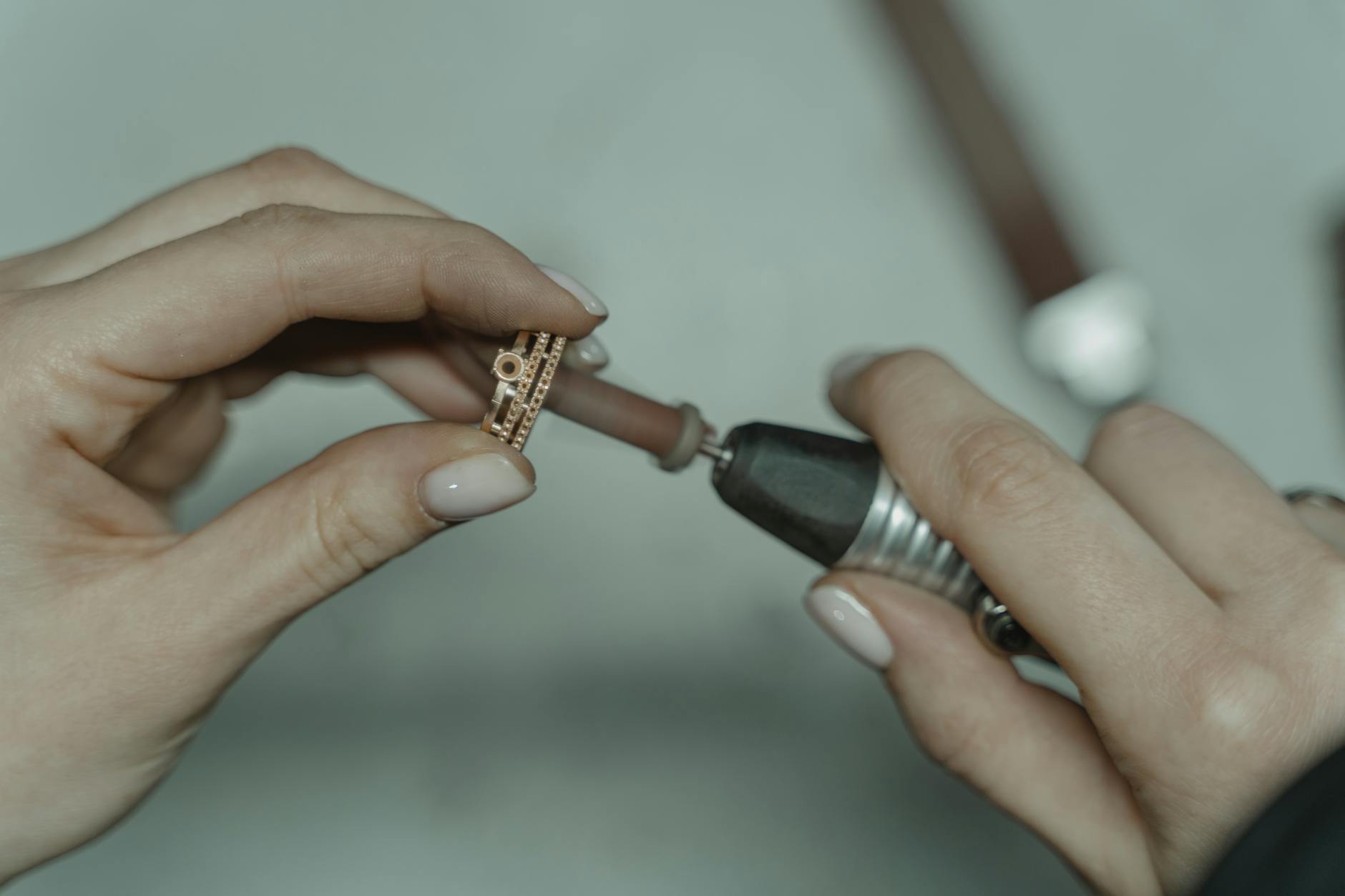
Photo by Tima Miroshnichenko
Think of your earrings like tiny machines—they need regular checkups to stay reliable. Giving your jewelry a quick inspection before you pop them in helps catch common problems before they become disasters.
- Check backs and posts for signs of bending, warping, or thinning. A worn or bent post means it’s time to replace or repair that earring.
- Tighten loose parts using your fingers or a pair of small pliers. For screw-backs, twist gently to restore a snug fit.
- Clean them regularly with a soft cloth or specialized jewelry cleaner. Oil and grit build-up can make backs slip off posts or even corrode mechanisms.
- Replace worn backs before they become too loose to hold. It’s tempting to delay, but fresh backs are a small investment with a big payoff.
Making these checks part of your daily or weekly routine will help you avoid sudden surprises and extend the life of your favorite pieces.
Upgrade to Quality Materials and Better Designs
Earring Falling Out is often caused by weak materials or poor construction. Earrings made from sturdy materials and thoughtful designs are far less likely to let you down. Lower-quality pieces may look good, but they loosen, bend, or break in no time—making Earring Falling Out a frustratingly common issue.
When shopping for new earrings—or replacing old ones—look for:
-
Posts made from surgical steel, titanium, or 14k+ gold: These metals hold their shape and resist corrosion, making them ideal for sensitive skin and everyday wear.
-
Thicker or longer posts: Especially important if you have thicker earlobes or stretched piercings.
-
Flat backs, screw-backs, or locking mechanisms: Styles like flat back earrings, La Pousette, and patented locking backs (like Chrysmela Catch) deliver lasting hold and comfort, with easy removal when needed.
-
Integrated closures on hoops and huggies: “Click” or “snap” closures last longer than thin wire or loose latch systems.
-
Supportive backs: Oversized or disc-shaped backs keep earrings pointing forward and reduce strain on the ear.
Quality design means fewer lost earrings—and you’ll spend less time fiddling or making last-minute jewelry repairs.
Use Earring Stoppers, Guards, and Other Accessories
Don’t let small fixes be an afterthought. Simple add-ons can transform even basic earrings into reliable favorites.
- Rubber or silicone stoppers: Slip these on behind your regular backs for an extra layer of security. Even if a metal back wiggles loose, the stopper will catch it.
- Stabilizer discs or earring lifts: These sit flush with your earlobe, distribute weight, and prevent heavy earrings from drooping or falling out.
- Earring locks and specialized backs: Brands like Chrysmela and BlingDots offer locking devices or adhesive pads you can use with almost any post-style earring.
- Travel pouches or mini organizers: Toss a zippered pouch in your bag for those moments you need to quickly remove your earrings, like before a workout or nap.
These small add-ons are lifesavers, especially with earrings that have sentimental or real dollar value.
Change Habits: When to Remove Earrings and How to Sleep Safely
Good habits are your first line of defense—think of them as the seatbelt for your jewelry. A few small changes go a long way.
- Take earrings out before bed: Sleeping with earrings increases the risk of bent posts, lost backs, and even injuries to your piercings. If you must sleep with earrings in, opt for flat back or special “nap earrings.”
- Remove earrings before workouts or active play: Sweat and motion can wiggle even the best closures loose.
- Be careful with hats, scarves, and headphones: These items catch and pull earrings, so it’s best to put jewelry on last and take it off first.
- Store safely: Use a dedicated tray, jewelry box, or compartmentalized pouch. Keeping pairs together and away from loose change or tangled chains means you’re much less likely to lose them.
Simple routines—checking, removing, storing—do more than anything to keep your earrings where they belong. Adopt them, and enjoy the comfort and peace of mind every time you accessorize.
When to Seek Professional Help or Replace Earrings
Even if you’ve tried every trick to keep your earrings secure, sometimes a quick fix isn’t enough. If Earring Falling Out keeps happening despite adjustments, it might be time to stop the DIY repairs and seek expert help—or even consider letting the earrings go. Catching these signs early protects your ears and your investment.
Identifying Signs of Damage or Unsafe Wear
It’s easy to miss the warning signs until you lose an earring for good or end up with an irritated ear. Look closely at both your jewelry and your piercings for these red flags:
- Physical Wear: Bent, cracked, or weak posts and loose or misshapen backs leave earrings prone to slipping out.
- Obvious Damage: Hooks that have snapped, twisted wires, or hinges that don’t “click” shut signal it’s time for replacement or repair.
- Piercing Problems: Watch for redness, swelling, or discolored skin at the piercing. A stretched hole or split earlobe means the earring is stressing your ear tissue.
- Infection or Allergic Reaction: Persistent pain, burning, or crust around the piercing is never normal. If you spot blisters, rash, or ongoing discomfort, stop wearing the earring and talk to a professional. Some metals, especially nickel or low-quality alloys, can cause lasting irritation.
- Metal Corrosion or Tarnish: Dull, blackened, or flaking metal can weaken the earring’s structure and trigger allergic reactions.
Ignoring these issues only makes things worse. Earrings showing any of these problems can fail at any time, leading to permanent piercing damage or loss of your favorite jewelry.
Consulting a Jeweler for Repairs or Custom Solutions
Certain earring issues call for the expertise of a professional jeweler. When you suspect your earrings could break or you can’t fix them with basic tools, it’s time for a skilled repair. Here’s when to skip home fixes and call the pros:
- Complex Repairs: Broken latches, snapped posts, or damaged settings require specialized tools. Attempting DIY repairs can make the problem worse or void any warranties.
- Loose Stones and Fragile Settings: A jeweler can safely tighten prongs on gemstone earrings or secure loose accent pieces.
- High Value or Sentimental Pieces: For family heirlooms or designer jewelry, professional restoration protects both sentimental and financial investment.
- Structural Deformities: If your stud bends repeatedly, or if a hoop no longer clasps securely, jewelers can reshape metal, replace worn parts, or rebuild the closure.
- Custom Fit Solutions: If off-the-shelf backs or standard posts don’t fit your piercings, a jeweler can craft custom backs, longer posts, or modified closures based on your ear shape and size.
Most reputable jewelers offer free consultations and can evaluate whether repair or replacement is the smarter choice. Sometimes, redesigning an old earring or resetting stones into a new setting brings new life to tired jewelry.
When you partner with an experienced jeweler, you get more than just repairs—you get tailored advice, access to advanced restoration tech, and peace of mind knowing your earrings are in good hands. Don’t wait for a full break or loss. Seeking help at the right time keeps your earrings secure and your ears healthy.
Conclusion
Most earring falling out because of loose backs, worn parts, or tiny fit issues that are easy to overlook. Daily habits and how you treat your earrings make a big difference—just a simple check or a swap to a better backing can stop earrings from slipping away. Choosing sturdy posts, secure closures, and quality materials isn’t just about style; it keeps your favorite pairs safe and easy to wear.
A little extra care goes a long way. Clean and check your earrings now and then, especially if you’ve dealt with Earring Falling Out in the past. Don’t hang onto parts that don’t fit right—small changes can mean fewer lost earrings and less stress. Keep these tips in mind, and enjoy your jewelry without worry.
Thanks for reading—if you have your own tricks for keeping earrings in place, share them below! Your ideas could help someone else keep their favorite pair safe, too.